Let's be honest — thinking about roof problems is hardly anyone's idea of a good time. But if you're a homeowner in Fulham, or anywhere in London really, it's something you'll probably have to deal with sooner or later. I've been there myself, squinting up at cracked tiles, wondering if that ceiling stain was a sign of something worse. Spoiler: it was.
So if you're asking yourself whether it's time to replace your roof, you're in the right place. This guide walks you through what to look out for, how the whole process works, and how to avoid common mistakes.
First Things First: Is It Time for a New Roof?
You might not need to rip everything off and start from scratch. But sometimes, that really is the best (and most cost-effective) route in the long run. Here are a few signs:
1. It's Old
Roofs don't last forever. If yours is over 20 years old, especially if it's never had much maintenance, it might be time to get someone round to take a proper look.
2. You're Losing Tiles
After every big wind or storm, I'd find bits of roofing in the garden. If your tiles are cracked, slipping, or disappearing altogether, your roof's shouting for help.
3. There Are Stains on the Ceiling
I noticed a faint yellow patch in the corner of the upstairs bedroom. It didn't seem like much at the time... until it got bigger. If you see any discolouration, damp, or peeling paint, don't ignore it.
4. The Roof Looks Uneven
A droopy or sagging section can mean there's rot or water damage under the surface. It can be dangerous if left too long.
5. Grit in the Gutters
I used to clean the gutters and find gritty bits like sand. Turns out, that's from the protective coating on the roof tiles wearing away. A big hint that the tiles are coming to the end of their life.
Picking the Right Roofing Material
Felt Shingles
Cheap and cheerful. Good for sheds or extensions, but they won't win any awards for longevity.
Metal Roofing
Lasts forever and surprisingly stylish if you go for something like standing seam panels. Great for newer homes.
Slate Tiles
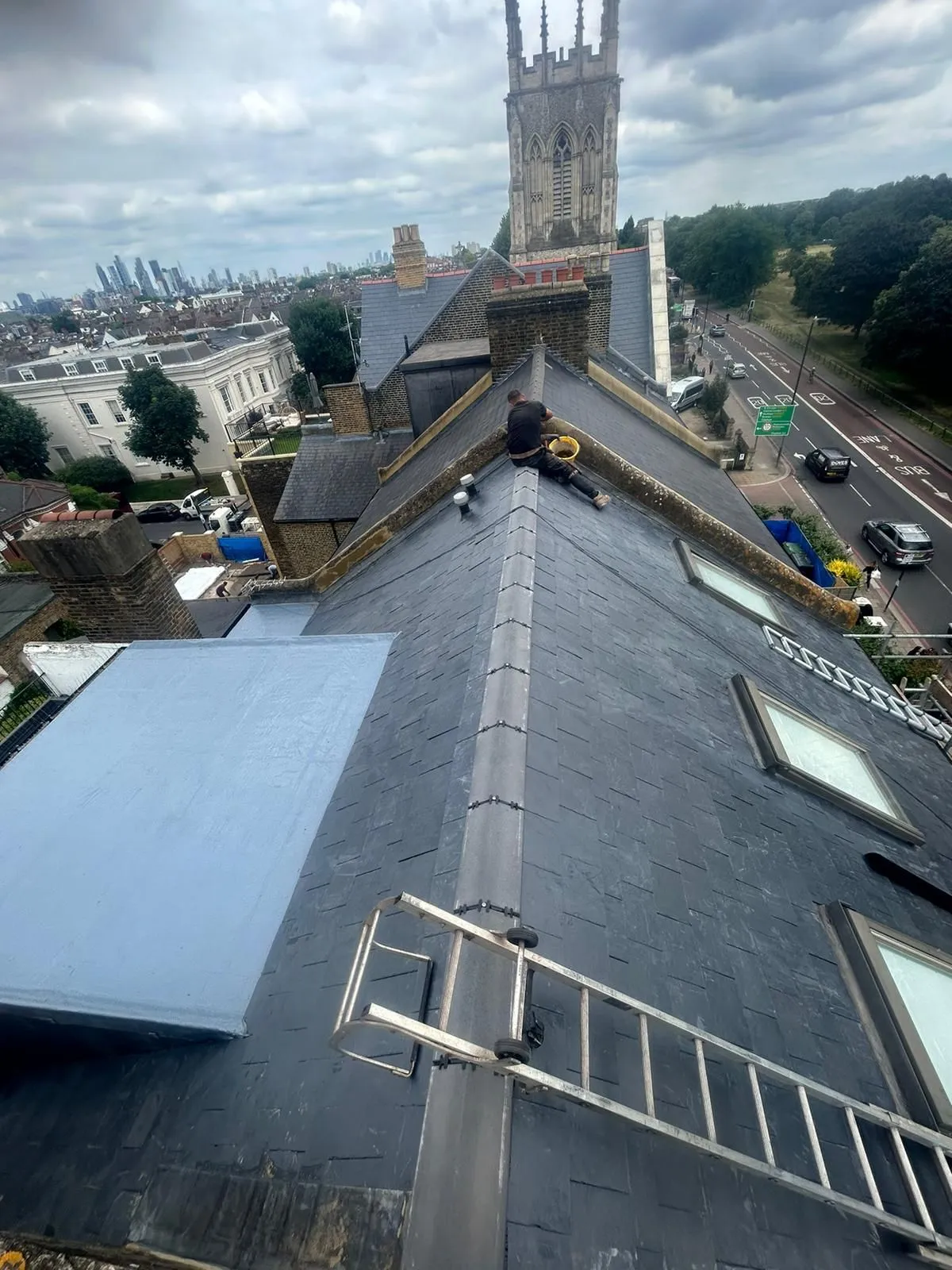
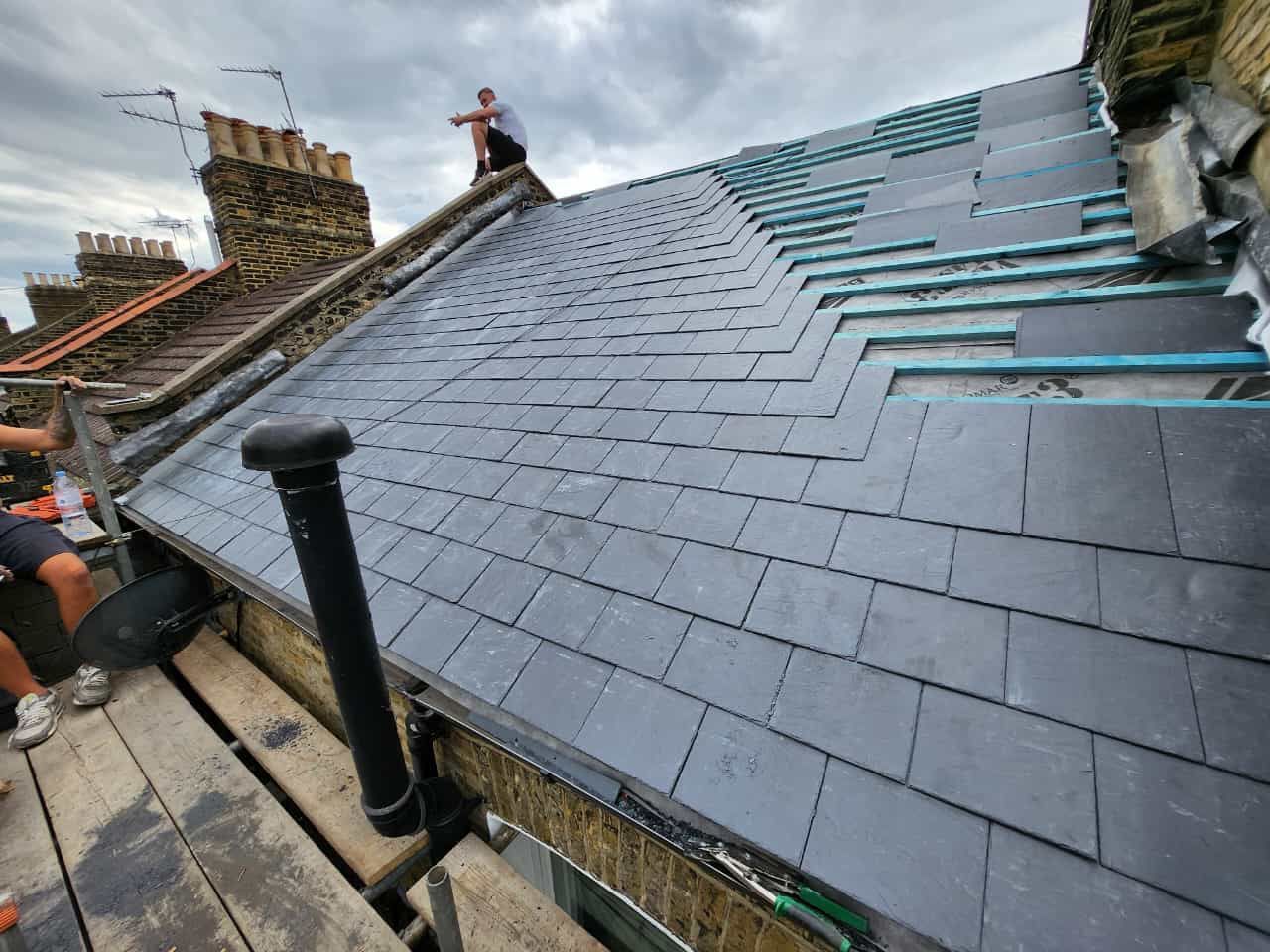
This is what we went with in the end. They're traditional, tough, and look great on older homes (like most of Fulham's terraces). More expensive, yes — but they'll probably outlast you.
Clay or Concrete
Very solid, very reliable. A bit heavier, so you'll need to check your roof structure can handle them. Loads of colour and style options too.
Wooden Shakes
Lovely to look at, but not super common in London. They need regular care to stop them going green or attracting insects.
What Actually Happens During a Roof Replacement?
1. The Inspection
Someone comes round, has a proper look, and tells you what's what. They'll check for leaks, rot, damage — things you might not spot yourself.
2. Old Roof Comes Off
This bit looks dramatic, but it's quick. The team strips back the old material so they can check what's underneath.
3. Repairs to the Decking
If any wood's rotten or warped, they'll sort it. They'll also put down a waterproof layer to keep things dry underneath the new roof.
4. New Roof Goes On
Tiles (or whatever material you've chosen) get fitted, everything's sealed, and flashing is added around chimneys and vents to keep water out.
5. Final Checks and Clean-Up
Before they go, they'll make sure everything's done properly and tidy up. No one wants a garden full of tile shards and old nails.
Keeping Your New Roof in Good Nick
- Inspect every couple of years. After a big storm, or before winter sets in, just have a quick look.
- Clear the gutters. Trust me, blockages cause more problems than you think. Especially in autumn.
- Trim branches. Trees are lovely... until they're dropping twigs and moss onto your brand-new roof.
- Watch for moss. It looks harmless, but it holds moisture and can loosen tiles.
- Don't put off small fixes. A tiny drip now could be a massive leak next month. Get it sorted early.